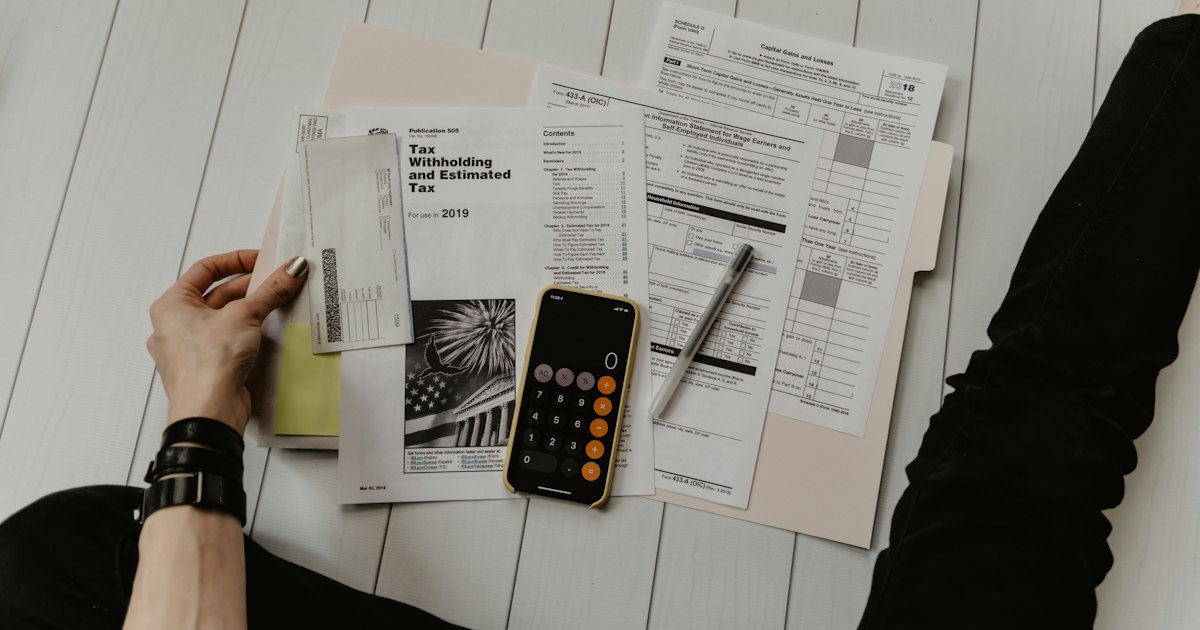
Understanding the financial side of dental tourism is just as important as choosing the right clinic. Phu Quoc has become one of Vietnam’s most popular destinations for international dental patients, and the island’s clinics have adapted their payment systems to serve visitors from Australia, Europe, North America, and across Asia. Yet questions about how to actually pay, what insurance will cover, and how to budget the full trip remain some of the most common concerns patients raise before committing to treatment abroad. The following ten questions address the practical money matters of getting dental work done in Phu Quoc, from the currencies accepted at the front desk to the documentation you need for a successful insurance claim back home.
What payment methods are accepted at dental clinics in Phu Quoc?
Dental clinics in Phu Quoc have made it straightforward for international patients to pay for treatment. The most widely accepted payment methods include cash in Vietnamese dong, cash in US dollars, and credit or debit cards on the Visa and Mastercard networks. Many clinics also accept direct bank transfers, which can be useful for large treatment plans where you prefer not to carry significant amounts of cash or hit your daily card limit.
Cash remains the most common payment method in Vietnam, and dental clinics are no exception. Vietnamese dong is the preferred currency for cash transactions, and paying in dong generally gives you the most favorable effective exchange rate. US dollars are accepted at most clinics catering to international patients, though the exchange rate applied at the clinic may be slightly less favorable than what you would get at a bank or ATM.
Some of the more modern clinics in Phu Quoc have also started accepting Vietnamese e-wallet payments through apps like MoMo or ZaloPay. These are primarily useful for patients who are staying on the island long enough to set up a local payment app, which typically requires a Vietnamese phone number. For most short-term dental tourists, the combination of a Visa or Mastercard and some Vietnamese dong cash covers all bases comfortably.
Before your first appointment, confirm the available payment methods directly with the clinic. If you plan to pay by card, ask whether there is a processing surcharge, as this can add two to three percent to your total bill. Planning ahead avoids surprises at the payment counter after your procedure.
Does my dental insurance cover treatment abroad in Phu Quoc?
This is one of the most important questions to answer before booking a dental trip to Phu Quoc, and the answer depends entirely on the specifics of your insurance policy. Most standard domestic dental insurance plans in countries like Australia, the United States, and the United Kingdom do not cover treatment performed outside the country. However, there are notable exceptions worth investigating.
Some premium health insurance plans and international health insurance policies include provisions for overseas dental treatment. These plans may reimburse you for procedures performed in Phu Quoc up to the same limits that would apply at a domestic provider. If you hold an international or expat health insurance plan, coverage for dental work in Vietnam is more common.
Even if your insurance does not offer direct coverage for overseas treatment, many plans include out-of-network benefits that allow you to submit claims for reimbursement after the fact. The key is obtaining the right documentation from your Phu Quoc clinic, which means itemized receipts, treatment codes, and clinical notes. Some insurers reimburse based on what they would have paid a domestic provider for the same procedure, which can still recover a meaningful portion of your costs.
Contact your insurance provider before traveling and ask specifically about out-of-country dental coverage, out-of-network reimbursement policies, and what documentation they require for a claim. Getting clarity upfront saves you from unpleasant surprises and ensures you collect the right paperwork while you are still in Phu Quoc.
Should I pay in Vietnamese dong or US dollars in Phu Quoc?
The short answer is that paying in Vietnamese dong almost always works out cheaper. When a clinic quotes a price in US dollars and you pay in dollars, the clinic applies its own exchange rate, which typically includes a margin that works in the clinic’s favor. By converting your money to dong independently, either at an ATM, a bank, or a reputable exchange counter, you control the exchange rate and usually come out ahead.
ATMs on Phu Quoc dispense Vietnamese dong and are widely available in Duong Dong town, at the airport, and near major tourist areas. Most international debit cards work in Vietnamese ATMs, though you should check with your bank about daily withdrawal limits and foreign ATM fees before you travel. Some banks charge a flat fee per withdrawal plus a percentage-based foreign transaction fee, so withdrawing larger amounts less frequently can minimize costs.
If you are paying a substantial sum for dental treatment, a bank transfer directly to the clinic’s Vietnamese bank account in dong can be the most efficient option. Ask the clinic for their banking details and use a service like Wise (formerly TransferWise) or a similar international transfer platform to send dong at the mid-market exchange rate. The transfer fees on these platforms are typically far lower than credit card foreign transaction charges or ATM fees on multiple withdrawals.
One practical tip: always ask the clinic to confirm your total bill in Vietnamese dong, even if the initial quote was given in dollars. This eliminates any ambiguity about the exchange rate being applied and gives you a clear number to compare against your own conversion calculations.
Are there hidden fees at Phu Quoc dental clinics?
Concerns about hidden fees are understandable when seeking medical treatment in an unfamiliar country, but the reality at established Phu Quoc dental clinics is reassuring. Reputable practices provide itemized treatment plans that break down every cost before work begins. A thorough quote typically includes the consultation fee, diagnostic imaging such as X-rays or CT scans, the cost of materials and lab work, the procedure itself, and any prescribed medications.
Where patients occasionally encounter unexpected charges is with add-on treatments that arise during the procedure. For example, a dentist may discover during a consultation that a tooth requires a root canal before a crown can be placed, or that a bone graft is needed before an implant. These are not hidden fees in the dishonest sense but rather clinical realities that could not be identified until the dentist examined you in person. A good clinic will explain the additional work required, provide a revised quote, and obtain your consent before proceeding.
To protect yourself, request a written treatment plan with a full cost breakdown before any work begins. Ask the clinic directly whether the quoted price includes follow-up appointments, temporary restorations if applicable, and any medications you will need post-procedure. If a clinic is reluctant to provide a detailed written quote, treat that as a red flag and consider other options on the island. Transparency about pricing is a hallmark of the clinics in Phu Quoc that have built their reputations on serving international dental tourists.
How can I get a cost estimate before traveling to Phu Quoc?
Getting a reliable cost estimate before you book flights is not only possible but standard practice among Phu Quoc dental clinics that serve international patients. The process is simple and usually free of charge.
Start by contacting one or more clinics via email, WhatsApp, or through the inquiry form on their website. Describe the dental work you need in as much detail as possible, and attach any recent dental records, X-rays, or panoramic scans you have from your home dentist. The more information you provide, the more accurate the estimate will be.
Most clinics respond within 24 to 48 hours with a preliminary treatment plan and cost breakdown. Some offer a video consultation where the dentist can ask questions and provide a more tailored assessment. While a remote estimate cannot replace an in-person examination, it gives you a reliable ballpark figure for budgeting purposes. Clinics will note that the final price may adjust slightly after they examine you on the island, but significant deviations from the original estimate are uncommon at professional practices.
Requesting quotes from two or three Phu Quoc clinics is a sensible approach. It gives you a sense of the market rate for your specific treatment, allows you to compare how different clinics communicate and present their services, and helps you identify any outliers in pricing that warrant further questions. Keep the quotes organized so you can reference them when you arrive and confirm the agreed pricing before treatment begins.
Can I pay for dental treatment in Phu Quoc with a credit card?
Credit card payment is available at most Phu Quoc dental clinics that cater to international patients. Visa and Mastercard are the most widely accepted networks, while American Express and UnionPay may be accepted at some but not all clinics. It is worth confirming which card networks a clinic supports before you arrive, especially if you plan to put a large treatment cost on your card.
Paying by credit card has some clear advantages. It provides a transaction record for your insurance claim, may earn you travel rewards or cashback, and offers a layer of consumer protection through your card issuer’s dispute resolution process. Some travel credit cards also include travel insurance benefits that could provide additional coverage.
However, there are costs to consider. Many Phu Quoc clinics add a card processing surcharge of two to three percent, which reflects the merchant fees they pay to accept card payments. On top of that, your card issuer may charge a foreign transaction fee of one to three percent unless you have a card specifically designed for international use. These fees can add up: on a 2,000 USD treatment plan, a combined five percent in surcharges and fees adds 100 USD to your total.
If you want the convenience and security of card payment without the extra costs, look for a travel credit card with no foreign transaction fees and ask the clinic in advance whether they charge a card surcharge. Alternatively, use a card for a deposit to secure your booking and pay the balance in cash or by bank transfer to minimize fees.
How much does a dental tourism trip to Phu Quoc cost in total?
One of the most persuasive aspects of dental tourism in Phu Quoc is that even when you factor in every travel expense, the total cost is typically far less than having the same dental work done at home. Here is a realistic breakdown for a one-week dental trip from Australia or Europe.
Round-trip flights to Phu Quoc International Airport range from 400 to 900 USD depending on your departure city, the season, and how far in advance you book. Direct flights are available from several Asian hubs, and connections through Ho Chi Minh City are frequent and affordable. Hotel accommodation on Phu Quoc ranges from budget-friendly guesthouses at 25 to 40 USD per night to mid-range resorts at 60 to 100 USD per night and luxury beachfront properties at 150 USD and above. For a seven-night stay, budget between 200 and 700 USD depending on your comfort preferences.
Daily expenses for meals, transport, and activities on Phu Quoc are modest by international standards. A generous daily budget of 30 to 50 USD covers local restaurants, a Grab ride or motorbike rental, and entrance fees to attractions like the Phu Quoc cable car or safari park. Over seven days, that adds 210 to 350 USD.
The dental treatment itself varies by procedure. A single dental crown might cost 150 to 350 USD, a set of porcelain veneers 1,000 to 3,000 USD, and a dental implant 586 to 1,563 USD. Add your treatment cost to the travel expenses above for your all-in figure. For most patients, the combined total including flights, accommodation, meals, and dental work comes to 1,500 to 4,000 USD, representing savings of 50 to 70 percent compared to the dental treatment alone in their home country.
Can I claim dental tourism expenses as a tax deduction?
Tax treatment of medical expenses abroad varies significantly between countries, and it is essential to consult a qualified tax professional for advice specific to your situation. That said, here is a general overview of how some major countries handle it.
In the United States, the Internal Revenue Service allows taxpayers who itemize deductions to claim qualifying medical and dental expenses that exceed 7.5 percent of their adjusted gross income. Dental treatment performed abroad qualifies as a medical expense, provided it meets the IRS definition of a deductible medical cost. However, travel expenses such as flights and accommodation are generally not deductible unless the trip is primarily for and essential to the medical treatment. If you are a US taxpayer, keep all receipts from your Phu Quoc dental clinic and consult your tax advisor about what portion of your trip qualifies.
In Australia, dental expenses are generally not tax-deductible for individual taxpayers. There is no equivalent of the US medical expense deduction for most Australians, though some may benefit through private health insurance rebates or health savings arrangements. Australians should focus on maximizing insurance reimbursements rather than tax deductions.
In the United Kingdom, dental costs are not tax-deductible for individuals. Canadian taxpayers, on the other hand, can claim qualifying medical expenses, including dental work performed outside Canada, as a non-refundable tax credit on amounts exceeding a set threshold.
Regardless of your country’s tax rules, the universal advice is the same: keep every receipt, invoice, and piece of documentation from your Phu Quoc dental treatment. Having thorough records gives your tax professional the best chance of identifying any legitimate deduction or credit you are entitled to.
Is it customary to tip at dental clinics in Phu Quoc?
Tipping is not a standard practice at dental clinics in Vietnam, and that includes Phu Quoc. The treatment price you are quoted is the full amount expected. There is no cultural expectation for patients to add a gratuity on top of their dental bill, and clinic staff will not anticipate one.
This stands in contrast to tipping norms in countries like the United States, where gratuities are common in many service industries. In Vietnam, dental care is treated as a professional medical service, and the fee structure reflects that. Your dentist and the supporting staff are compensated through their salary and the clinic’s pricing, not through tips.
That said, if you feel that your dentist or a particular staff member went above and beyond, especially in terms of communication, scheduling flexibility, or post-treatment follow-up, a small cash tip is a kind gesture that will be received warmly. There is no set amount or expectation. A gesture equivalent to 100,000 to 200,000 VND (roughly 4 to 8 USD) would be considered generous.
Outside the dental clinic, tipping norms in Phu Quoc are similarly relaxed. Small tips at restaurants, for hotel housekeeping, and for tour guides are appreciated but not obligatory. Knowing that tipping pressure does not extend to your dental clinic can relieve one small source of stress during your visit.
How do I get proper receipts from a Phu Quoc dental clinic for insurance claims?
Obtaining the right documentation from your Phu Quoc dental clinic is critical if you plan to submit a reimbursement claim to your insurance provider or claim a tax deduction. The good news is that clinics accustomed to treating international patients understand what foreign insurers require and can usually produce compliant documentation without much prompting.
At a minimum, your receipt or invoice should include the full legal name and registration number of the clinic, the name and professional qualifications of the treating dentist, a line-by-line breakdown of each procedure performed with the corresponding cost, the materials used including brand names for implants, crowns, and other components, the dates of treatment, and the total amount paid with the currency specified.
If your insurer requires procedures to be coded using a specific system, such as the ADA CDT codes used in the United States or the ADA item numbers used in Australia, ask the clinic to include these codes on the invoice. Most internationally oriented Phu Quoc clinics are familiar with these coding systems and can accommodate the request.
Request your documentation before you leave the clinic on your final visit. While clinics can usually send documents by email after the fact, it is simpler to review everything in person and ask for corrections or additions on the spot. Take photos of all documents as a backup in case hard copies are lost during travel.
Some patients also find it helpful to request a brief clinical summary or treatment letter from the dentist. This document, written in English, describes the diagnosis, the treatment performed, and any recommended follow-up care. It serves as supporting evidence for your insurance claim and provides useful context for your home dentist when you return for routine checkups.
Planning your dental finances
The financial mechanics of dental tourism in Phu Quoc are straightforward once you understand the options available. Pay in Vietnamese dong when possible, use a travel-friendly credit card as a backup, and request detailed documentation from day one. Get cost estimates before you travel so you can budget confidently, and contact your insurance provider early to understand what reimbursement pathways are open to you. Phu Quoc clinics that regularly serve international patients have refined their billing and documentation processes to meet the expectations of overseas insurers and tax authorities. By asking the right questions and keeping organized records, you position yourself to maximize both the clinical and financial benefits of having your dental work done on the island.
Frequently asked questions
Related treatments & clinics
Ready to plan your dental trip?
Compare verified Phu Quoc clinics with real pricing and get a personalized quote on SmileJet.
Explore SmileJetarrow_forward

